How AI Is Revolutionising Australian Property


with Luke Metcalfe
AI is quickly becoming the go-to tool for property research—but can it actually predict where the market is heading? In this episode of The Elephant In The Room Property Podcast, Luke Metcalfe (Founder and Chief Data Scientist at Microburbs) returns to put that assumption to the test, analysing thousands of suburb predictions across multiple GPT models and real market data. The result is clear: AI doesn’t just struggle to forecast property growth—it often underperforms the market entirely. We unpack why this happens, from the way large language models are trained to the dangerous feedback loop of consensus-driven data. If AI is simply reflecting what’s already popular, are investors just paying a premium to follow the crowd? The conversation also explores the rise of AI-generated property reports, the risks of relying on median data, and why many “data-driven” strategies may not be as objective as they seem. Beyond the critique, this episode shifts the focus to what actually drives capital growth. From owner-occupier demand and supply constraints to hyper-local, street-level dynamics, Luke shares what the data reveals when you strip away the noise. 👉 Discover: Why GPT suburb picks underperform the market The consensus feedback loop behind AI property advice The risks of AI-generated property reports and median data What actually drives capital growth: owner-occupier demand, supply constraints, street-level dynamics How recent policy changes are shifting investor incentives
with Luke Metcalfe
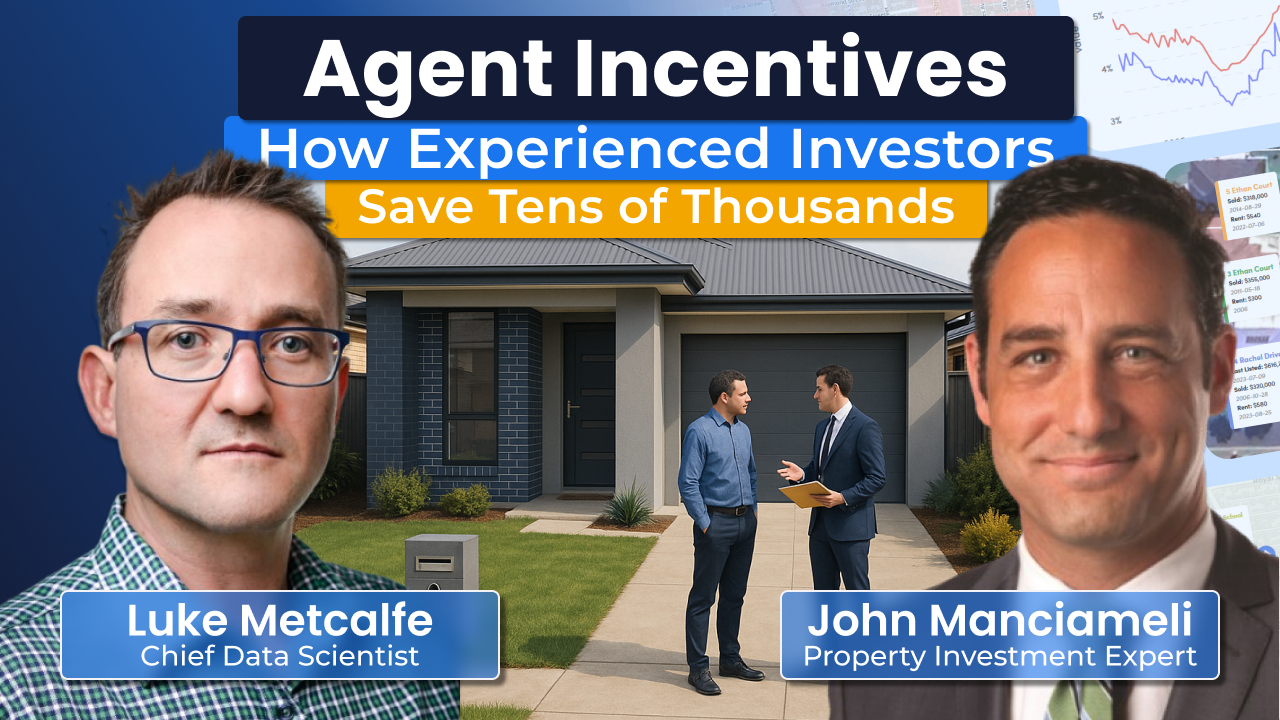
Who’s Really Working for You in Real Estate? Inside Industry Incentives with Luke Metcalfe & John Manciameli In this revealing episode, Luke Metcalfe (Founder and Chief Data Scientist at Microburbs) joins top real estate expert John Manciameli to expose how the hidden incentives of agents, developers, and property managers can influence your property decisions—often without you realizing it. Drawing on years of data-driven insights and real-world experience, Luke and John unpack how industry players are really motivated, and what that means for investors, home buyers, and anyone navigating the property market. 👉 Learn how to: Understand the real motivations of real estate agents and property managers Spot misleading stats and biased advice in property sales Protect yourself against misaligned incentives Use hyperlocal data to make smarter, safer property investments Negotiate more effectively by knowing what drives professionals Whether you're an investor, first home buyer, or even a seasoned property professional, this discussion is packed with insights that will change how you view the game.

with Luke Metcalfe
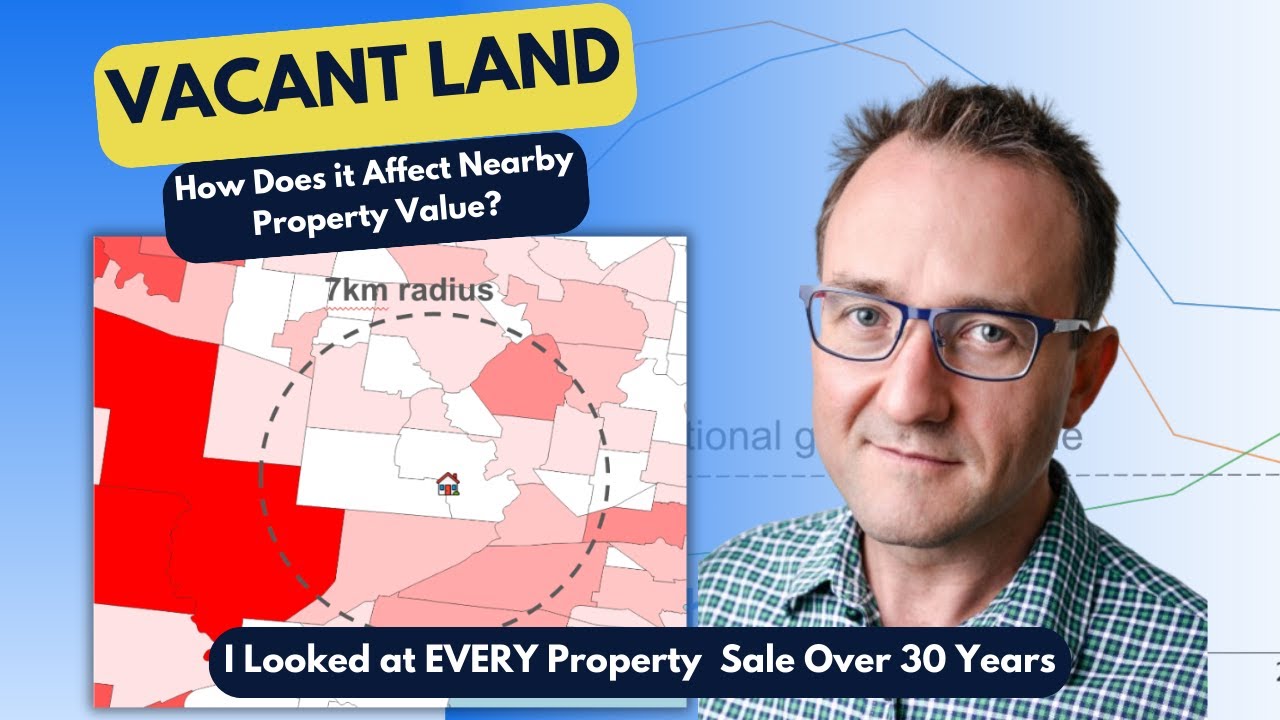
Luke Metcalfe from Microburbs explores how the proportion of vacant land sales in a suburb can dramatically impact the capital growth of your property investments. In this in-depth analysis, he delves into over three decades of property data to quantify a long-held market belief: areas with a high percentage of vacant land sales often see existing properties underperform compared to the national average. Learn why suburbs with minimal land sales can outperform by an extra 1.5% per year, while those with as much as 20% vacant land sales may underperform by up to 2% annually, potentially costing you hundreds of thousands in lost growth. He also explores how these effects radiate beyond a single suburb, influencing capital growth up to 7 kilometers away, and how the impact differs when investing close to major city CBDs versus regional towns. Real-world examples from Bulgarra and Geraldton, Western Australia, illustrate the direct correlation between surges in land supply and subsequent declines in property values. This video not only explains the “why” behind these trends but also provides actionable advice on how to protect and enhance your returns. Discover how to investigate land sales, scrutinize surrounding areas, ask the right questions of agents, and understand that not all median price increases signal true growth. Armed with detailed, trustworthy data and the right tools—like suburb-level insights from platforms like Microburbs—you can sidestep hidden pitfalls, identify genuine growth opportunities, and make more informed, confident property investment decisions.